Frequently asked questions.
The questions that come up on nearly every project, plus longer notes on what changes between code cycles and what plan checkers actually flag.
Start here
What is a Title 24 Compliance Report?
A Title 24 compliance report is the document that proves your design meets California's Building Energy Efficiency Standards, Part 6 of Title 24. It is built from your plan set: floor plans, the measured areas of every exterior wall, window and door, roof and floor assemblies, and the elevations that show which way each opening faces.
Those measurements go into CEC-approved software, and what comes out is the certificate of compliance: a CF1R for residential work, an NRCC for nonresidential, signed and sized to drop straight into the plan set you submit.
Why are Title 24 Compliance Reports needed?
Because the building department will not issue your permit without one. Any project that creates or alters conditioned space has to document its energy performance at the planning stage, and the compliance report is that documentation.
It keeps working after the permit, too. The report is the record that the building met the California Energy Commission's standards on the day it was approved, which matters at resale and any time the work is inspected or refinanced later.
Why choose Title 24 Master?
Every property type. Residential and commercial: homes, ADUs, additions, restaurants, hotels, gas stations, offices and retail.
Sustainable design and solar. Solar PV and battery sizing calculated to the 2025 requirements rather than bolted on afterwards.
Detail on every part of the project. Each wall, opening and assembly is accounted for individually, not averaged.
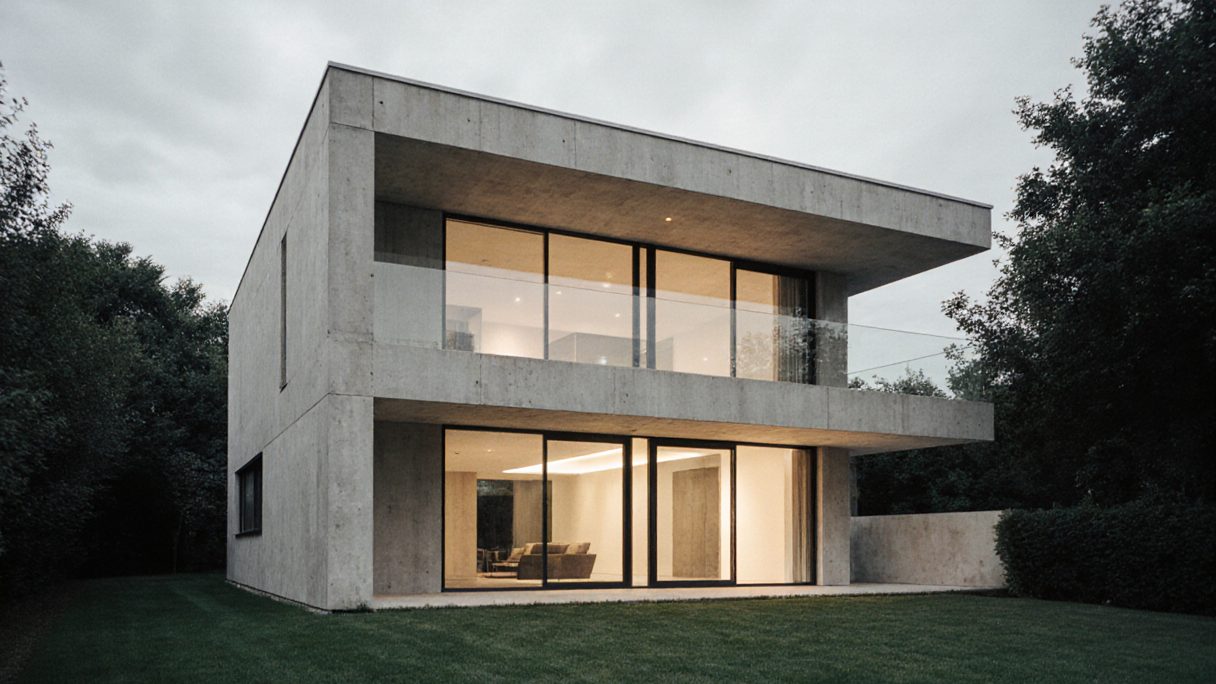
Modern architecture accommodated. Large glazing areas and unusual geometry are modeled on the performance path instead of being designed out.
Compliance in the right climate zone. All 16 California climate zones and all 58 counties, with the zone driving the design assumptions.
Swift approvals. Fast turnaround, and reports built to clear plan check the first time.
7 notes on the code
What happens when the ECC rater comes to site
The testing itself takes a few hours. Most of the delay on ECC/HERS verification happens before the rater arrives and after a test fails. Here is the sequence, what has to be ready, and what a second trip actually costs you.
What triggers an ECC/HERS field test on your project
Field verification is not a fixed list. Some tests come from what you build, others from what the compliance model claims. Here is how to tell which ones apply, and why it is cheaper to know at design stage.
What the 2025 Energy Code changed for commercial buildings
The 2025 California Energy Code took effect January 1, 2026. The change most likely to reach a commercial project is in the alteration rules, not the new construction rules.
What the 2025 Energy Code changed for homes
The 2025 California Energy Code took effect January 1, 2026. Here is what actually changed for houses, ADUs and additions, and what stayed exactly the same.
HERS is now ECC: what changed, and what didn't
From January 1, 2026, field verification for Title 24 compliance runs under the new ECC program, not HERS. On site it looks the same. In the regulations it moved.
The 20% glazing rule, and why projects fall off the prescriptive path
Total fenestration above 20% of conditioned floor area pushes a California project off the prescriptive path. Here is how the limit works, including the separate rules for additions.
Which energy code applies to your project
The 2025 California Energy Code took effect January 1, 2026. Whether your project falls under it depends on one date: the permit application date, not the construction date.
Send the plans. Get a number the same day.
Fixed price before we start and five business days to signed forms. Plan-check corrections are included for the life of the project.
Or call (909) 914-0305 and you'll be talking to the person who does the modeling.